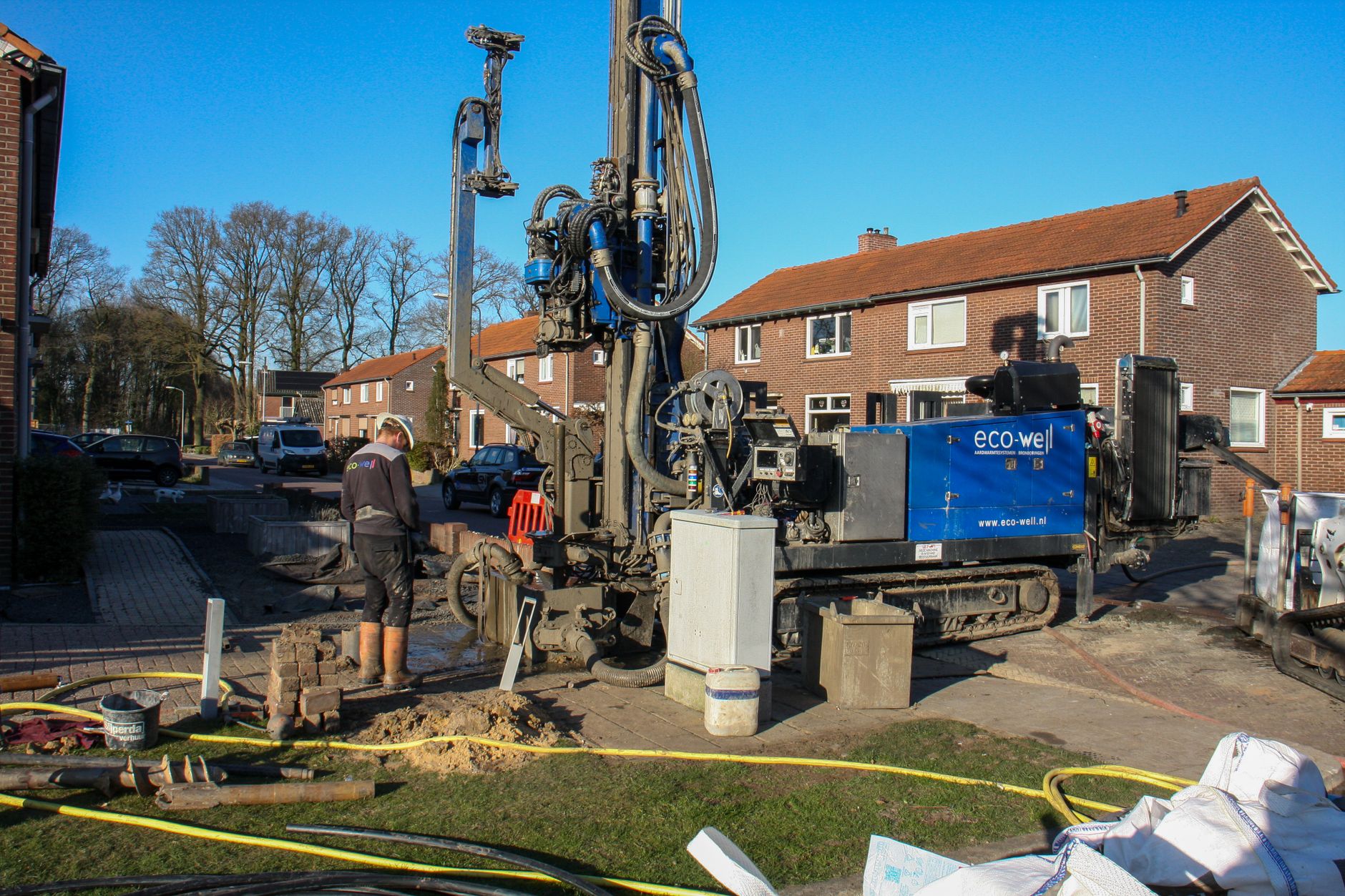
How it works
What we handle
Before you hire anyone
If your water pressure drops to nothing in Alice or Kingsville, do not jump to drilling a new well right away. Often, a simple pressure switch or a bad control box is the culprit.
Not sure what your job should cost?
Answer a couple of questions and we will give you an honest ballpark before anyone calls you, so you know whether a quote you get later is reasonable.
What it costs
A well is priced mostly by how deep it has to go, and out here that depends entirely on where your land sits over the aquifer, so nobody can honestly quote a new well without knowing the area and often testing. Pumps, storage tanks, and treatment are separate pieces on top. The one thing worth saying plainly: a cheap well that hits bad or shallow water is the expensive one, so depth and water quality matter more than the drilling price alone.

Why people call
Questions people ask
How much does a new well cost?
Honestly, nobody can say without knowing your land, because the price is driven by how deep the driller has to go to reach good water, and that depends on where you sit over the aquifer. Two properties a few miles apart can differ a lot. A driller who works your area will look at nearby well logs before quoting. Be cautious of a firm number on ground nobody has looked at.
My water quit. Do I need a new well?
Usually not. No water is more often a pump, pressure tank, or switch problem than a dry well, and those are far cheaper to fix than to drill. A good well pro checks the pump side first. Anyone who jumps straight to re-drilling without diagnosing the pump is skipping the cheap answer.
Do I need to test my well water?
Yes, especially on a new or newly bought well, or after flooding. What comes out of the ground varies, and testing tells you the hardness, iron, salt, and whether there is bacteria before you spend anything on treatment. Near the coast, salt and bacteria are the two to watch. You cannot fix water you have not measured.
Can I run a well without electricity?
Yes, and out here it often makes sense. Solar pumps, and the old windmills, put water in remote pastures without running a power line, which on a big ranch can cost more than the well. Solar has mostly replaced the windmill for new systems. You pair it with a storage tank so the water is there when the sun is not.
Is my well water safe to drink?
It can be, but the only way to know is to test it, since a well is an open path into the ground. Test for bacteria and, on the coast, for salt, and retest after any flooding. If a test flags a problem, that is real information, not a sales pitch, and it tells you exactly what treatment you actually need.
Why not just put up a windmill like the old days?
You can, and plenty still turn out here, but the reason new setups go solar is our wind. The prevailing South Texas winds are hard and constant, and they beat a windmill to death because it is a mechanical tower full of moving parts standing out in the open. Solar with a battery has nothing up on a tower to destroy, so it survives our wind far better and needs less fussing. A windmill is worth keeping running if you have one; for a new well, solar is the durable choice here.
Service area: Corpus Christi · Flour Bluff · Calallen · Padre Island · Robstown · Alice · Kingsville · Portland · Banquete · Agua Dulce · Falfurrias · Beeville