
Routine pump fixes can often get scheduled fast once parts and rig access line up, while a brand new well depends on the land, local rules, and how booked up the drilling calendar is.
- Testing the electrical draw of your submersible pump to catch motor wear early
- Checking and adjusting the air pressure inside your pressure tank to prevent pump short cycling
- Sanitizing the well column to eliminate iron bacteria and rotten egg odors
- Testing water salinity and mineral levels to monitor coastal saltwater intrusion
- Clearing sand and sediment buildup from the bottom of the well screen
- Inspecting the sanitary well seal to prevent surface runoff and bugs from entering
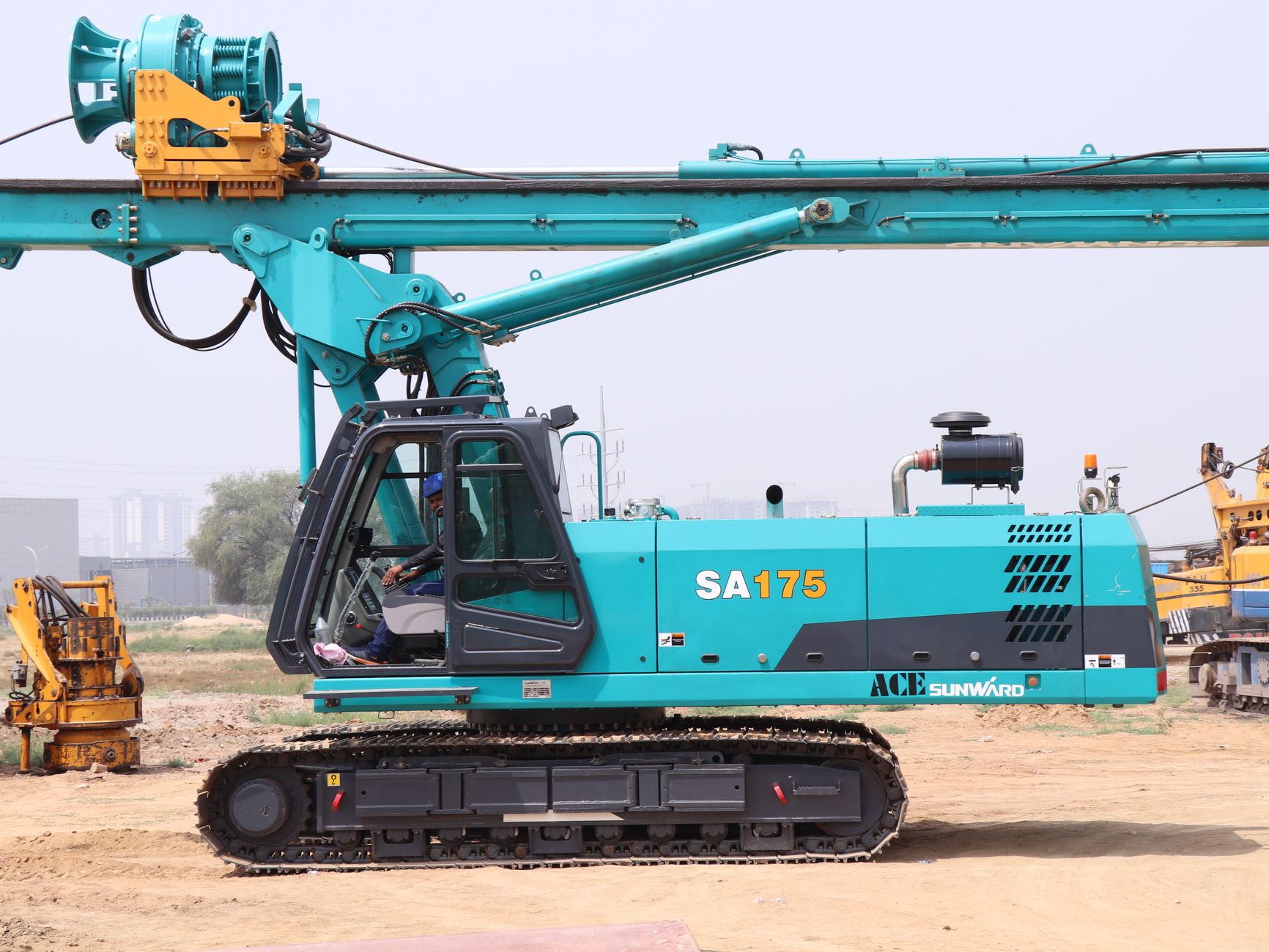
Texas requires drillers and pump installers to carry state licensing under separate occupational codes covering each trade. Local groundwater district rules can add their own requirements for spacing, well logs, completion, and shutting a well down properly.
Questions people ask about Water Well Maintenance
My water smells like rotten eggs and tastes salty, can maintenance fix this?
If the smell is from harmless sulfur bacteria, a deep chlorination and system flush during a maintenance visit can fix it. However, if your well is pulling in actual saltwater from the gulf, maintenance cannot wash that away. You will need a specialized filtration system or a new, deeper well.
Do the local pros service and repair wells that they did not originally drill?
Yes, the independent local specialists we connect you with can service, maintain, and repair any water well system in the Coastal Bend. It does not matter which company originally drilled the hole or installed the pump.
How often should I have my water well serviced in South Texas?
You should have your system checked once a year. Our high heat, sandy soil, and salty air put extra stress on pressure switches and tanks, making regular checkups important to avoid sudden water loss.
My water pressure suddenly dropped to nothing, can a maintenance visit save it?
If your pressure dropped instantly, you likely have a failed pressure switch, a broken pump, or a major pipe leak. This requires emergency repair rather than preventative maintenance. The local technician will diagnose the root cause and let you know if a repair or a full replacement is needed.
New to this? The plain-English guide to ordering walks through what to decide first.