
What decides the depth, and the price
A well costs what it costs mostly because of how deep the driller has to go to hit good water, and that is set by where your land sits over the aquifer, not by anything you pick. Two ranches a few miles apart can need very different depths. That is why an honest well driller will not throw out a firm number over the phone for a brand-new well; they need to know the area, look at nearby well logs, and sometimes test.
Be wary of a too-confident quote on ground nobody has looked at.
The aquifer under South Texas
Most of this region draws from the Gulf Coast aquifer system, and how deep and how clean the water is varies across ranch country. Closer to the coast there can be salt intrusion that makes shallow water brackish, so sometimes the right answer is drilling deeper to a better zone rather than settling for the first water you hit. A driller who works this area knows the local zones and will aim for water you can actually use, which is the whole point.
Doing it by the book
In Texas, water well drillers are licensed and a well report gets filed with the state, and you want both. The report documents how deep the well is, what the driller hit, and how it was completed, and it protects you if you ever sell the land or have a problem. Ask that the driller is licensed and that you get a copy of the state well report, along with the pump specs.
This is the paperwork that turns a hole in the ground into a documented asset.
- Depth is set by the aquifer under your land, not by choice
- Water quality out here varies a lot, so testing is part of the job
- A registered driller and a state well report protect you later
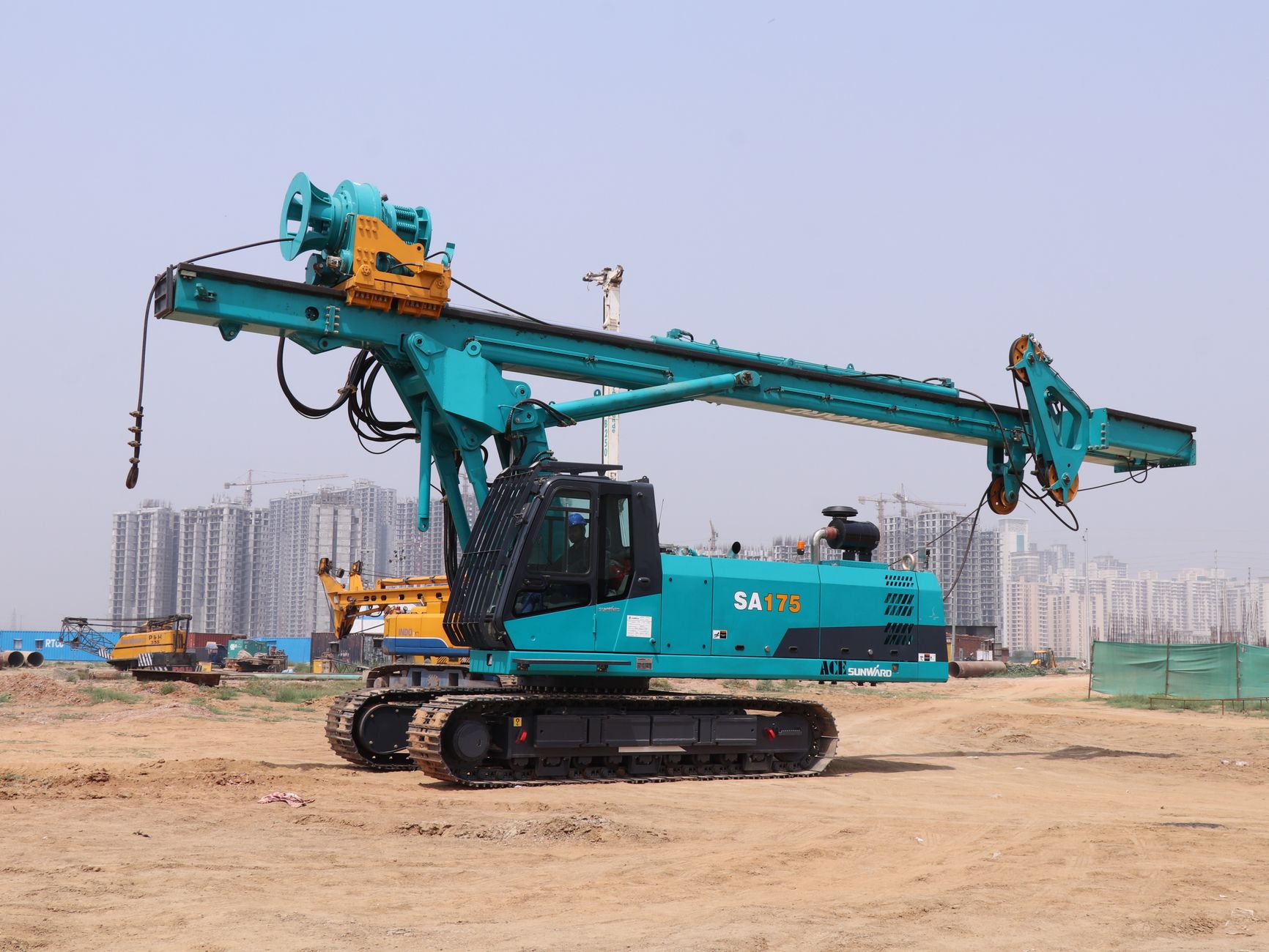
Texas requires drillers and pump installers to carry state licensing under separate occupational codes covering each trade. Local groundwater district rules can add their own requirements for spacing, well logs, completion, and shutting a well down properly.
Questions people ask about New Well Drilling
How long does drilling a new well take?
The drilling itself often runs a day to a few days once the rig is on site, depending on depth and ground. The longer wait is usually scheduling the rig and any siting homework before it rolls. Plan the calendar around the driller's backlog, not the hole.
Can the well go anywhere on my property?
Not quite anywhere. Wells keep required distances from septic systems, property lines, and contamination sources, and the smart spot also considers power, access for the rig, and where the water actually is. Siting is a real part of the job, and it is where local experience shows.
What paperwork should I end up with?
Three things: the state well report documenting depth and construction, the pump specifications, and your invoice detailing what went in the ground. Keep them with the house documents. Years from now, every question about that well starts with that folder.
New to this? The plain-English guide to ordering walks through what to decide first.