
Routine pump fixes can often get scheduled fast once parts and rig access line up, while a brand new well depends on the land, local rules, and how booked up the drilling calendar is.
- Permit filing and compliance with local groundwater conservation districts
- Complete well system setup including submersible pumps and pressure tanks
- Aquifer yield testing to measure water flow rate and recovery time
- Sanitary surface seals and concrete pads to prevent flood contamination
- Heavy duty sand screens designed for fine South Texas soil conditions
- Custom drilling plans for domestic homes, livestock ranches, and properties
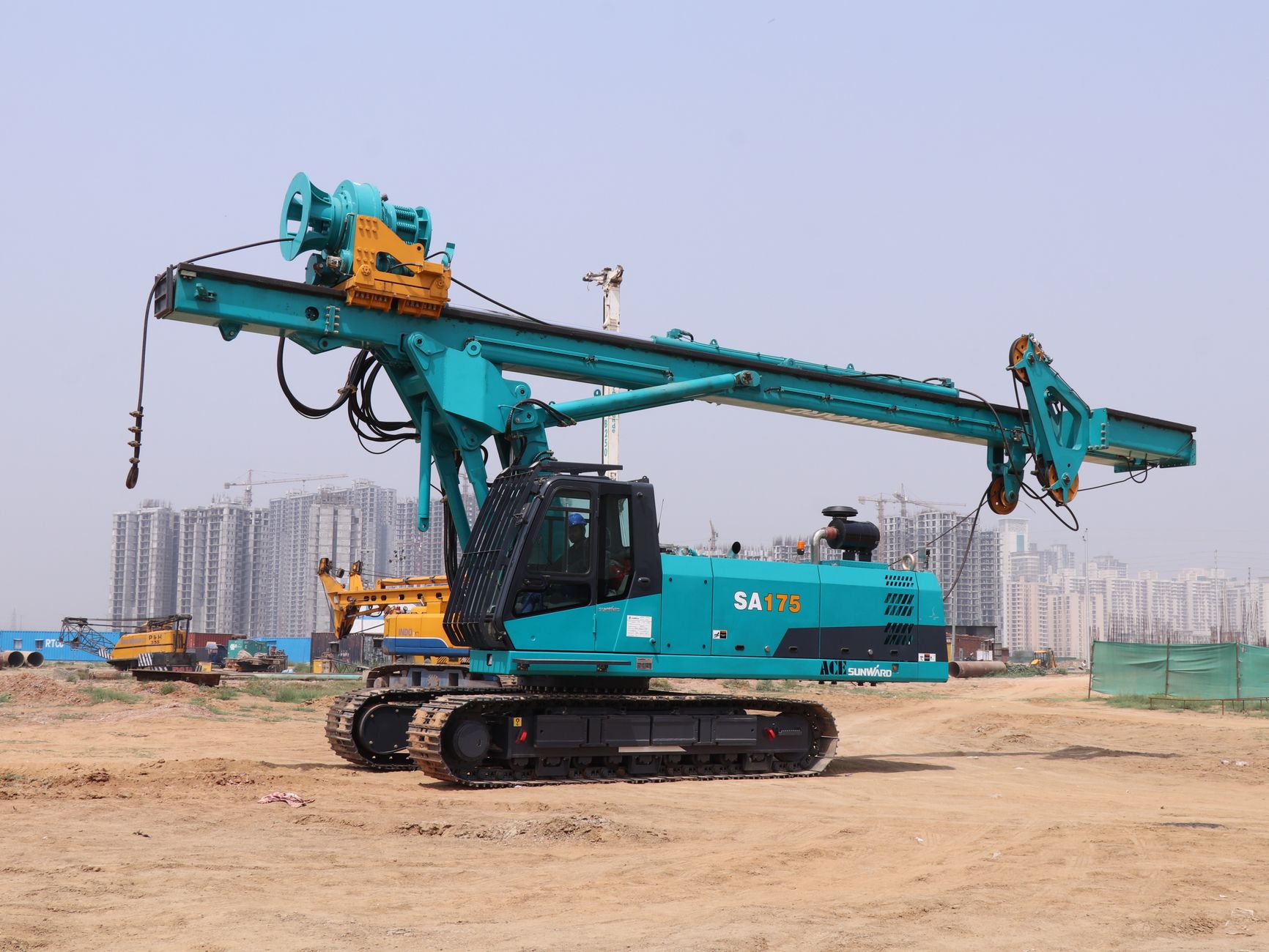
Texas requires drillers and pump installers to carry state licensing under separate occupational codes covering each trade. Local groundwater district rules can add their own requirements for spacing, well logs, completion, and shutting a well down properly.
Questions people ask about Water Well Drilling
Do I have to pay if the driller does not find good water?
Yes, you still have to pay. Well drillers charge for the labor, fuel, and materials used to drill the hole, regardless of whether they find sweet water or a dry hole. Fortunately, local pros use historical water data from nearby properties to choose the best spot and depth before they start.
How deep do you have to drill for water in the Coastal Bend?
It varies widely by location. In shallow areas near Sinton or Odem, you might find water at less than one hundred feet. If you are drilling further inland near Beeville or Mathis, you may need to go several hundred feet deep to reach a reliable aquifer with good water quality.
Who handles the permits for drilling a water well?
The licensed drilling professional handles the paperwork. They will register the well with the state of Texas and work with local groundwater conservation districts, such as those in San Patricio or Bee County, to ensure your well is legal and meets all setback rules.
My water smells like rotten eggs, do I need a brand new well?
Usually no. A rotten egg smell is caused by hydrogen sulfide gas or harmless sulfur bacteria in the water. This can normally be fixed with water treatment systems, chlorination, or special aeration systems rather than drilling an entirely new well.
Do the drilling pros service wells they did not originally drill?
Yes. The independent local specialists we connect you with can troubleshoot, repair, and service any existing water well system, even if another company drilled the original hole years ago.
New to this? The plain-English guide to ordering walks through what to decide first.